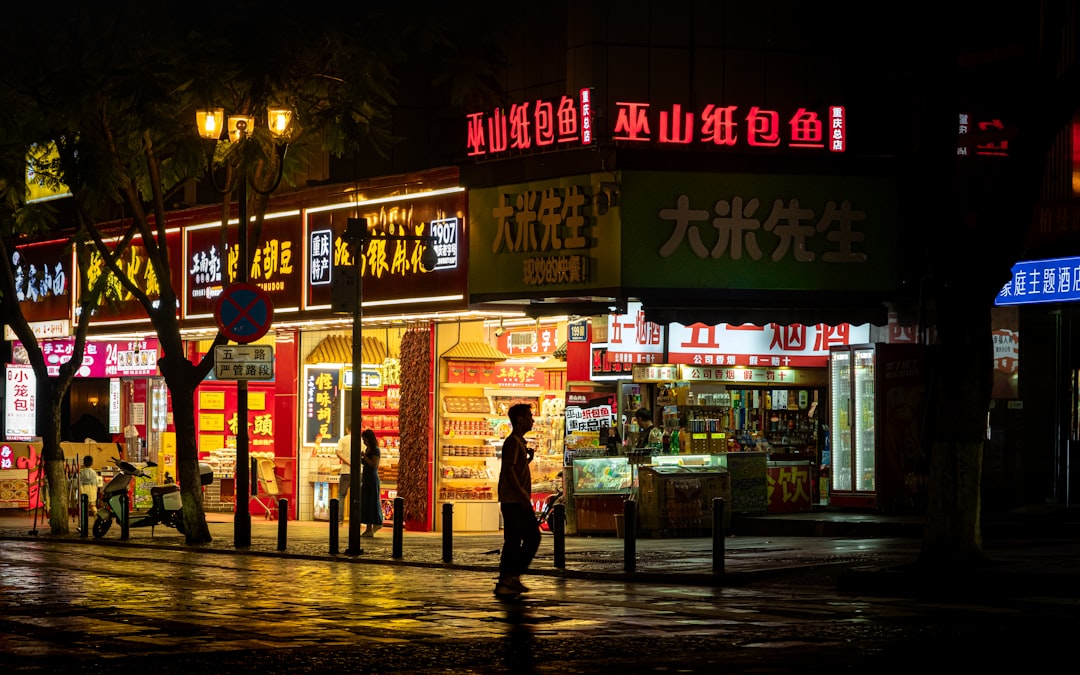

This is the question I get asked most often. And I understand why, because it’s also the question that gets answered most badly — either with the breezy reassurance of someone who had a great trip, or with the vague alarm of someone whose mental model of China comes primarily from diplomatic headlines.
The problem isn’t that people are uninformed. It’s that “is China safe” is actually two different questions being asked at the same time, and answering one while pretending you’re answering the other produces the confusion.
The Two Questions
The first is about geopolitics: diplomatic tensions, trade friction, what it might mean for a citizen of a Western country to be in China given the current state of international relations. This is a real question with a real answer that changes faster than any article can track. Your government’s current travel advisory is more authoritative than anything I can write, and I’d encourage you to read it before you go.
I’m not going to address that question. Not because it doesn’t matter — it does — but because that’s not what most people are actually worried about when they ask.
The second question is about physical reality: what is it actually like to move through Chinese cities as a Western traveler? Will I be okay? What should I be paying attention to?
That’s what I can answer. And the answer is different from what most people expect in both directions.
What’s Actually Lower Risk Than You Expect
Violent crime against tourists in Chinese cities is rare enough that it isn’t a pattern. China’s major cities consistently report lower violent crime rates than comparable-sized cities in the United States and parts of Western Europe — this is a documented finding, not a tourism talking point. The U.S. State Department’s China advisory, at the time of writing, does not cite personal safety as a primary concern. Other Western government advisories say similar things.
This doesn’t mean nothing bad has ever happened to a Western visitor. It has. But the routine physical safety anxiety most people carry — will I be mugged, will something violent happen — is, in Chinese cities, generally lower than the baseline at home.
What’s Actually Worth Attention
Traffic. This is the one that genuinely catches people off guard. Chinese traffic culture does not operate on the assumption that pedestrians have right of way. In much of Europe and North America, a pedestrian in a crosswalk exerts a kind of moral force — drivers are supposed to stop, and mostly do. In China, drivers navigate around pedestrians with efficiency rather than deference. Electric scooters, which are nearly silent and faster than they look, approach from directions you’re not watching. The adjustment is real and takes a few days. Cross on the signal and look in multiple directions regardless.
Tourist-area scams. The risk in China’s high-density tourist areas isn’t physical — it’s social. Two patterns are well-documented enough in traveler forums (Reddit, TripAdvisor) to be worth knowing before you encounter them.
The first is the unofficial taxi. Someone approaches you outside an airport or train station offering a “fixed price” ride before you reach the official queue. The fix is simple: use the official taxi stand or book through Didi (which has English-language interface) before you exit the terminal.
The second is the tea house invitation. A friendly stranger — sometimes young, well-dressed, speaking good English — suggests visiting a traditional tea ceremony or gallery. The venue charges hundreds of dollars for tea you didn’t choose. This pattern has been consistently reported in Beijing and Shanghai for years. It’s not everywhere, but it’s established enough to be a recognized scheme. Decline unsolicited invitations from strangers to private venues.
Both of these are recognizable once you know the shape of them. Neither is a reason to avoid China — they’re reasons to use the same skepticism you’d apply anywhere with high tourist concentration.
A Word About My Own Position
I have a stake in you going to China. This entire project exists to make the case for engaging seriously with a place most Western travelers have written off based on incomplete information. That’s a genuine conflict of interest and you should weigh it accordingly.
What I’ve tried to do here is give you what I’d want: the specific things that are actually different from your expectations, labeled clearly, without either sanitizing the picture or reaching for alarm. The traffic is real. The low violent crime rate is real. The tourist-area scams are real and documented.
You take it from there.
Once a month, I send a dispatch that doesn’t make it onto the site — the quieter observations, the things that stuck with me. Subscribe here.
Discussion