
Sichuan taught a generation of travelers one reliable word: spicy.
It travels well. It photographs as red oil. It gives people a sentence to bring home. Then Guizhou arrives mid-bite with something that refuses to sit politely on top of that sentence — heat carrying sourness, or sourness organizing the heat — and the first reaction is almost always the same: novelty. A twist. A surprise course in the spicy curriculum.
That reading is the failure mode.
Guizhou is not remixing Sichuan. Sour here is structure — how appetite is sequenced, how broths reset the mouth, how a table keeps going without needing another spectacle. If you only stay long enough to feel rewritten, you leave with a party trick. Stay for the second and third meals and the sour stops announcing itself. It becomes the grammar you cook inside.
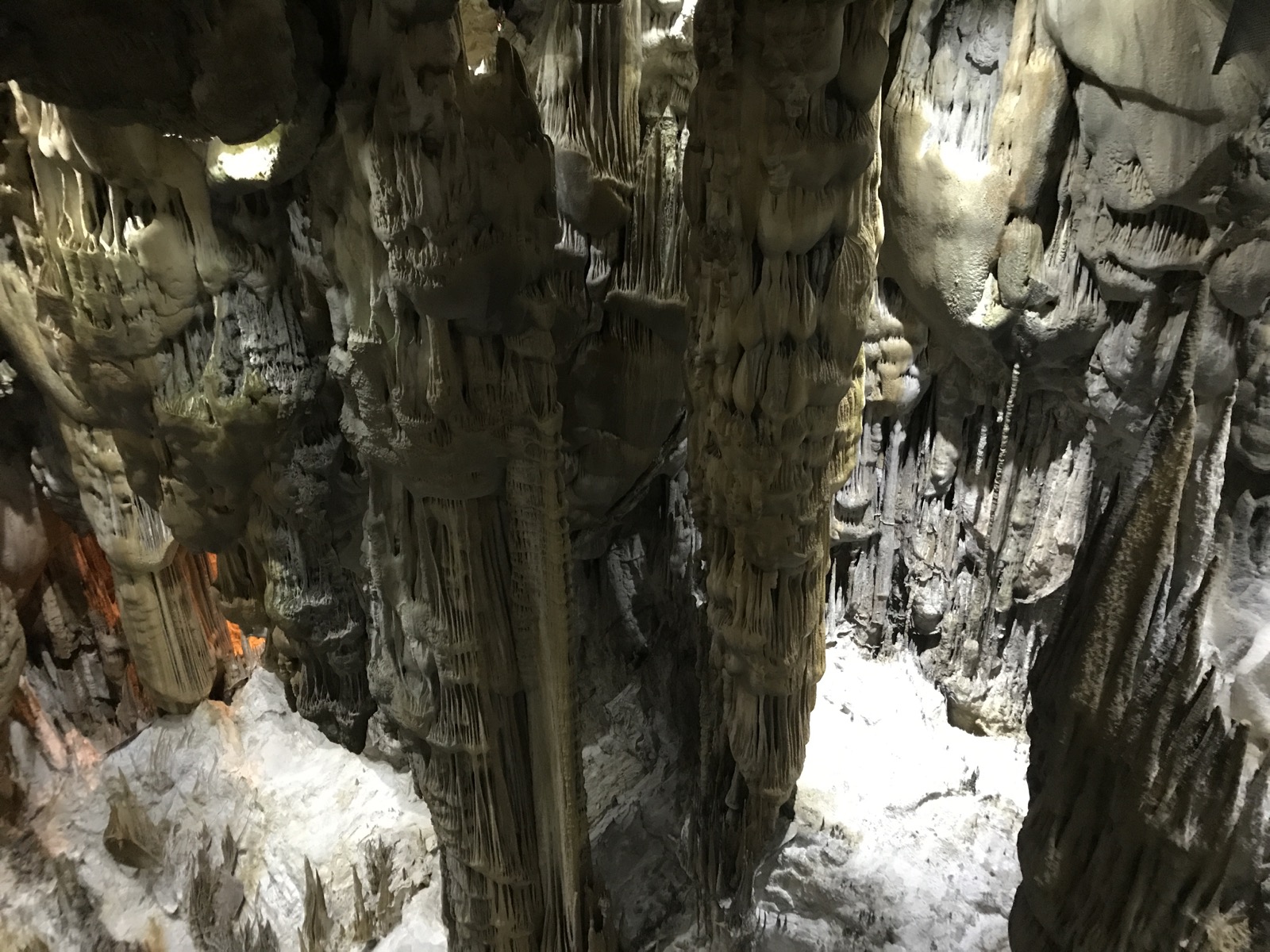
Guizhou’s landscape gets the drama credits. The table’s quieter credit is structure. Photo: site archive.
Novelty is what the first bite sells you
The first Guizhou meal can feel like your map of Chinese food got edited without asking. That feeling is real. It is also incomplete.
Novelty is a tourist’s unit of time: one shock, one caption, one “I didn’t expect that.” Structure is what locals stop explaining because it is already assumed — the sour element that makes richness edible for longer, the acidic cut that lets you return to the pot, the reason a “spicy” label imported from Sichuan keeps missing the point.
I will not turn this into a glossary of named dishes. Glossaries regenerate checklists. The portable test is simpler: after the surprise fades, does the sour still do work?
If it only worked as news, you were collecting. If it still organizes the meal when nobody is performing discovery, you have entered the province’s actual food language.
What “structure” means at the table
Structure is not a metaphor for vibes.
It means the sour is load-bearing. Remove it and the richness turns heavy, the heat turns flat, the evening shortens. Sichuan’s heat can be a destination flavor. Guizhou’s sour is often the frame that makes heat and fat negotiable across a long table — which is why treating it as garnish (a squeeze, a side, a stunt bowl) misunderstands the architecture.
This is also why a cave hotpot can look like drama while the sour tables above ground do the quieter teaching. Drama without grammar is a stunt. Grammar without drama is still Guizhou.
How this sits in a Southwest line
In a two-week temperature sequence — soft landing, sour rewrite, slower ground — Guizhou’s job is the rewrite. Do not schedule it as a single sharp day of “trying something sour” between Chengdu and Yunnan. Give it nights. Eat past the first surprise. Let the Eat note stay short; this dispatch is the longer argument.
The insight I would keep if I am allowed only one: Guizhou sour is not Sichuan with a twist. It is a different way of building a meal — and novelty is what you get when you leave before the structure shows.
Discussion