Travel writing loves the word slow the way menus love the word authentic.
It sounds like virtue. It photographs as steam and soft light. Then people schedule Tengchong the way they schedule a spa day: volcano park, hot-spring soak, one old street, leave before dinner. They did the attractions. They did not enter the pace.
That is the failure mode.
Border-town slow is not an empty calendar. It is a watchful clock — the kind that belongs to a place sitting closer to an edge than to a postcard circuit. Myanmar is not a metaphor here. Goods, accents, and habits arrive slightly out of alignment with a single neat map. The town is not performing leisure for you. It is continuing.
I already wrote why Tengchong’s geology is grammar. This dispatch is the sibling argument: what slow feels like once the ground has stopped being the novelty.
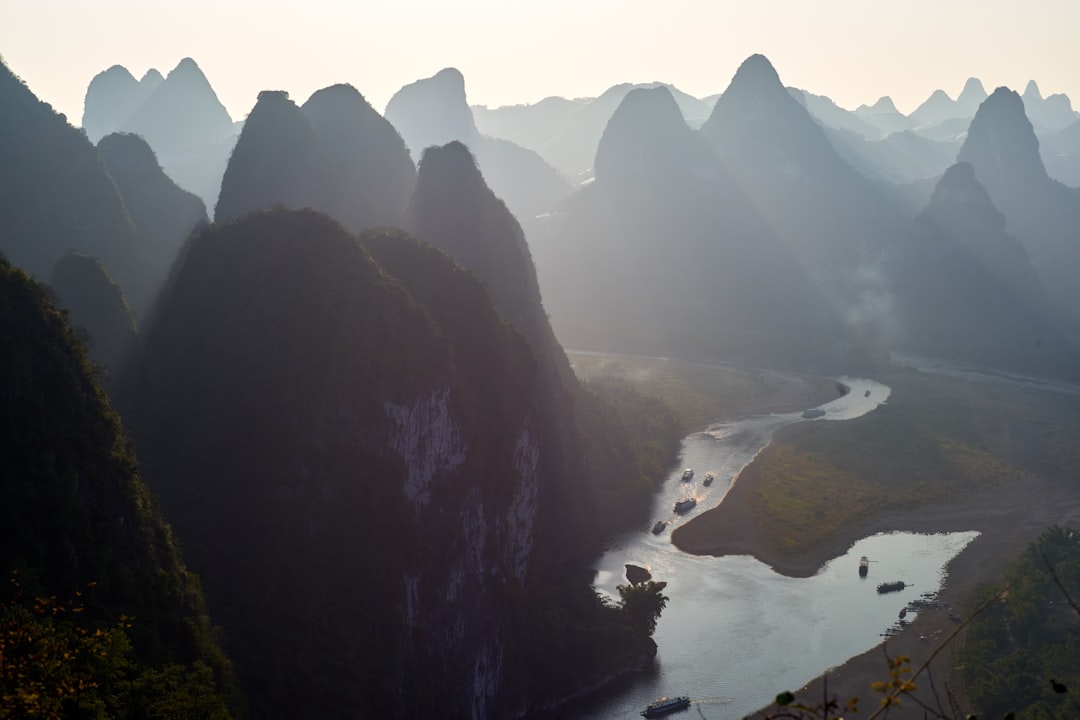
Hot water and volcanic earth teach a body to stop collecting. The town teaches a schedule to stop competing. Photo: site archive.
Slow as checklist is still a checklist
The wellness version of Tengchong is easy to sell: soak, walk cones, buy a jar of something mineral-scented, post the mist. None of that is wrong. It is incomplete in the same way a single sour bite is incomplete in Guizhou — you get the sensation without the structure.
Border-town pace shows up in smaller units. How long a noodle shop stays open when nobody is performing for cameras. How an afternoon can end without a third attraction because the day already did enough work. How conversation in a teahouse does not need a viewpoint to justify itself. How you stop asking what else is there and start asking what is still unfinished here.
If your itinerary only has time for the named sites, you will leave with a tidy caption and the same nervous system you arrived with. The town’s actual gift is adjusting that nervous system — which requires nights, repetition, and the courage to look under-scheduled on paper.
What watchful feels like
Watchful is not hostile. It is the opposite of resort ease.
People sit in public without auditioning leisure. Markets carry a slight cross-border looseness. Roads feel like they are moving toward edges rather than looping a theme park. You notice weather more than Instagram light. You notice that rest here is often physical first — heat from the ground, damp air, a body that finally stops negotiating with a bullet-train brain — and only later becomes a mood.
That is why a workshop afternoon without the gift-shop script lands better after Tengchong has already slowed you down. Process needs a clock that is not hunting the next pin. The same is true of Guizhou’s table rewrite: sour as structure needs nights. Tengchong’s job in a two-week Southwest temperature sequence is the slower register — not a spa insert between cities.
The portable test
I will not give you a street-by-street schedule. Schedules regenerate checklists.
The test I keep: after you have “done” the volcanoes and the springs, does the town still ask you to stay — or are you already packing for the next leg because the map looks finished?
If the map looks finished, you collected. If an ordinary evening still feels unfinished in a good way — one more bowl, one more walk with nowhere named on it — you have touched border-town pace.
The insight I would keep if I am allowed only one: Tengchong slow is not wellness branding. It is a border town’s watchful clock — and finishing the attractions is how tourists miss it.
Discussion