
Travel media treats hidden like a badge.
Hidden alley. Hidden village. Hidden hot spring the algorithm has not ruined yet. The word flatters the reader: you are not a tourist; you are a finder. In the Southwest — Yunnan, Guizhou, Sichuan — that flattery is expensive in a currency people forget to budget.
What “hidden” actually costs is time.
Not entrance fees. Not a Didi. Time: the night you burned on a transfer to a “secret” viewpoint that was a parking lot with a better caption. The afternoon you spent proving you were early to a place that needed three ordinary evenings instead. The day you left a town that had already started rewriting you because a tip said something more obscure was two hours farther.
I am not against going where maps are thin. I am against treating obscurity as proof of depth.
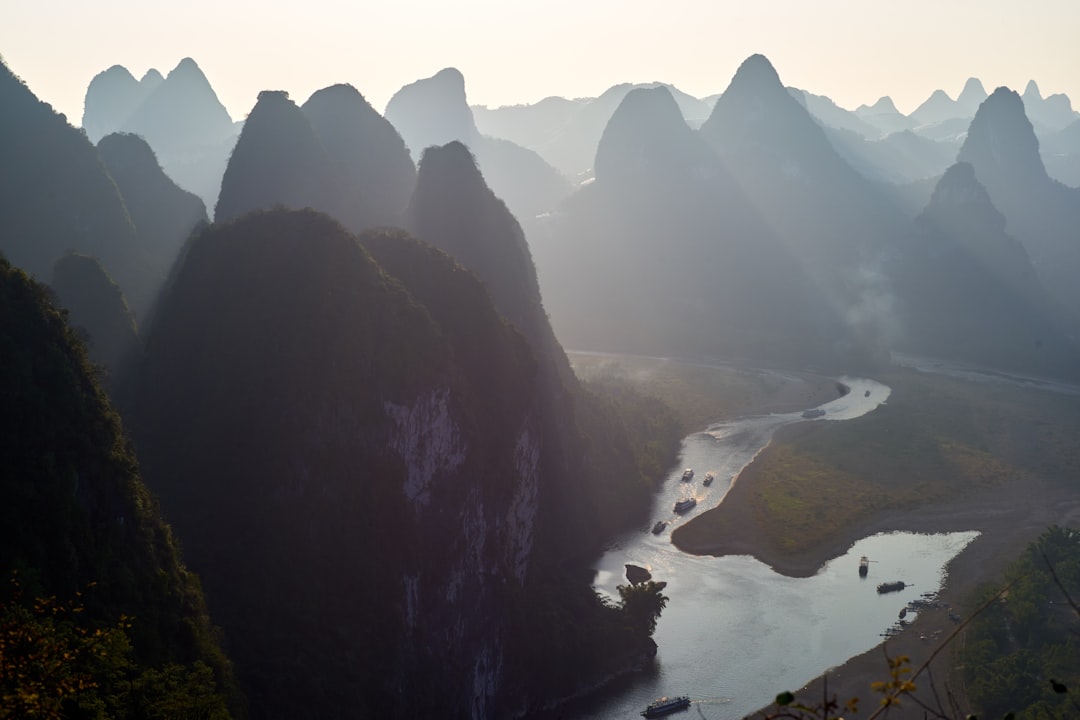
Unlisted is not the same as unfinished. Photo: site archive.
The failure mode: cleverness as itinerary
The failure mode looks responsible on paper.
You skip the obvious. You chase the tip. You stack “places with no English reviews” as if scarcity were a guarantee of meaning. Then your Southwest week becomes a scavenger hunt: arrive, extract the shot, leave before the place has a chance to become a clock instead of a pin.
That is the same shopping cart I warned about with Southwest high-speed rail — only the currency changed. Easy trains make city-cramming feel efficient. Easy “hidden” lists make obscurity-cramming feel discerning. Both spend the nights the sequence needs.
Tengchong’s border-town pace is the opposite lesson. Finish the named attractions and you still have not entered the town. The gift is not a rarer volcano. It is a watchful clock that needs repetition. Guizhou’s sour as structure needs the same: more tables, not more unlisted restaurants with the same novelty bite.
What I mean by hidden when I use the word
When I say something feels hidden, I rarely mean hard to find.
I mean hard to finish in one pass. A neighborhood that still asks for a second morning. A workshop afternoon without the gift-shop script that leaves your hands smarter than your feed. A temperature sequence — soft landing, sour rewrite, slower ground — that only works if you stop spending surplus hours on cleverness.
The portable test:
Did this “hidden” tip buy a night where you already are — or did it buy a transfer that stole one?
If the tip costs a night, it is not a tip. It is a tax dressed as taste.
What I refuse
I refuse the flex of arriving somewhere empty of other foreigners as the whole story. Emptiness can be logistics, season, or luck. It is not automatically intimacy.
I refuse itineraries that treat the Southwest as a ledger of uncollected secrets. The provinces do not owe you a private China. They offer clocks — Chengdu’s smaller map, Guizhou’s table rewrite, Yunnan’s slower ground — and clocks need time you cannot refund after you spend it proving you are hard to please.
The insight I would keep if I am allowed only one: “Hidden” in the Southwest is not a scavenger badge. Its real price is nights — and nights are the only way a place stops being content.
Discussion